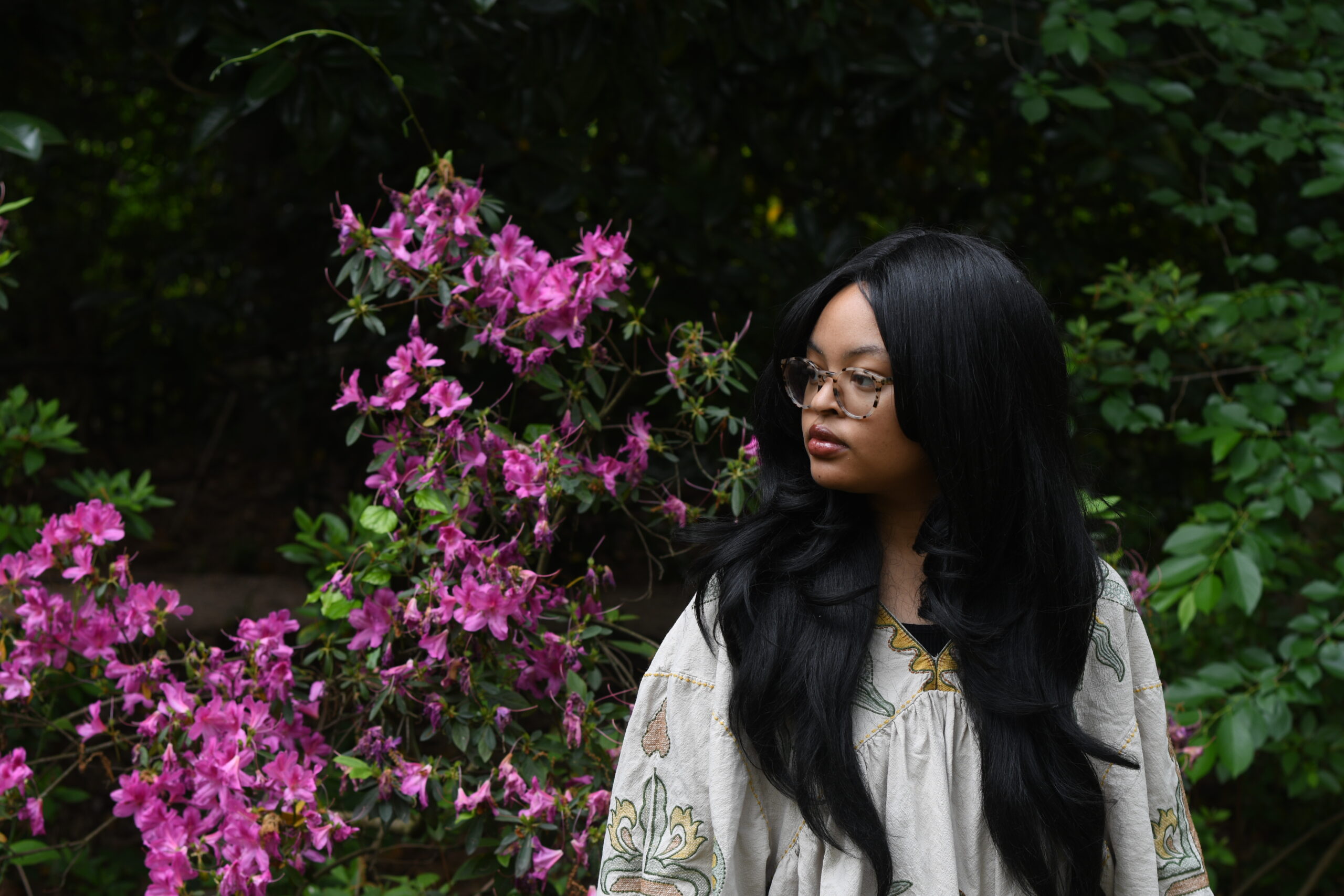
Product of passion: Mikhaylah Robinson Smith bridges poetry and community
At five years old, Mikhayla Robinson Smith wrote her first poem. Following the death of her younger sister, writing gave her a way to convey emotions she was too young to fully understand.
“I didn’t really understand how to process my emotions and I wrote a poem in class. It made my teacher cry and that’s when I knew that even if I couldn’t fully express what I was feeling or thinking, I had a knack for explaining the things around me,” Smith said.
Now a published poet, Smith has found a way to develop her childhood love into a profession and life passion. In 2024, she was named Poet Laureate of Athens, Ga. for the 2024-26 term, making her the second person to hold the title.
Introduced under the Athens-Clarke County Public Arts Office Athens in 2020, a Poet Laureate is a figurehead officially appointed by a government to compose poetry and enhance the literary arts.
“It’s a pretty simple application process. You have a portfolio, you put out your credentials, you share a sample of your work, it’s pretty straightforward. Then a board— teachers, educators, librarians, people that are in the literary space— review the applications and see who they chose,” Smith said.
Along with writing, Smith also performs her poetry. For Smith, the performance aspect of her work allows it to take life and reflects her cultural roots. In West Africa, griots are historians, musicians and storytellers that preserve the oral traditions and histories of their communities.
“I consider myself to be a modern day griot, a storyteller and a vessel for the stories of the ancestors. That is why I love spoken word, it provides a vehicle for the poetry to live,” Smith said.
The themes of Smith’s work are varied, but the Black experience is central to all of her poetry.
“As I finish up my manuscripts, I think of my work as a love letter to my ancestors, especially to the Black women who came before me and who are present in my life. My poetry is a love letter to Black love, to our fight, to our struggle, to who we are as a people, who we have been, who we have the power to become and who we are becoming,” Smith said.
As a student at the University of Georgia, where she graduated from in 2022, she felt limited in the opportunities available at the university. Feeling lost on campus, Smith began searching for ways to involve her poetry with the wider Athens community. However, she struggled to find her place.
“I knew there were people out here doing things, I just didn’t know how to find them. A lot of things made me think ‘Okay, this is cool, but it seems like it’s predominantly white. This seems cool, but I don’t know if I’ll fit in this space,’” Smith said.
These struggles inspired her goal to help others in similar positions find a space to create and share poetry freely.
“Either I was going to have to cultivate that space or partner with people. I just needed to find a way to make sure that everybody has a space to go for poetry, so the poems can live and breathe and move and exist in the world,” Smith said.
“My poetry is a love letter to Black love, to our fight, to our struggle, to who we are as a people, who we have been, who we have the power to become and who we are becoming,”
When the call for Poet Laureate opened up in late 2023, Smith saw the opportunity to realize this goal and applied.
“What attracted me about the position was never to be in the spotlight. For me, it was always about how I can be in community with writers who want to have their voice shared, people who haven’t been published before and people who know about the city and want to share the love of poetry that they have,” Smith said.
Smith was familiar with the first Athens Poet Laureate, Jeff Fallis, and was inspired by the message and impact of his work in the position.
“I remember watching his (Fallis’) mayoral reading in front of the mayor’s commission, and it was powerful to see him reading poetry in places that you wouldn’t usually hear poetry or expect to hear or see someone reading,” Smith said. “That, for me, was symbolic of the work that I wanted to do, of bringing poetry into spaces where it has not existed and lived before. There’s something so powerful about that, especially because my work has been explicitly rooted in illuminating Black culture, Black voices.”
ACC Public Arts Coordinator Tatiana Veneruso manages the Poet Laureate program, and views sharing poetry with the people of Athens, especially in places where it isn’t expected, as a central element of the role.
“A lot of people have asked me, ‘Why doesn’t the library manage the Poet Laureate program? That seems like a great place for it to live.’ In some ways it is, but you expect it at the library. I think if you’re looking to put poetry in unexpected places, that’s what makes it uniquely suited for the public arts office,” Veneruso said.
For poetry to have greater impact and reach, it is important for the Poet Laureate to work within the community.
“More than just being a published and accomplished poet, ideal candidates have a really strong background of community engagement,” Veneruso said.
There is an expectation for the Poet Laureate to fulfill a certain amount of hours a year. Events and programming that engage the community with poetry have become the standard across both poet’s terms, but what that specifically entails is up to the individual.
“Mikhayla especially has been very active in getting the community excited about poetry. She’s gone above and beyond in terms of her hours,” Veneruso said.
Under Smith, the position has taken the form of bridge-building and cultivating the art form that already exists in Athens.
“I think of a poet laureate as someone who bridges the gap between what is here and what is possible,” Smith said. “There’s a lot of people who have been sorting the poetry space already, but I think this position has allowed me to shed light on those folks who have been doing this work and supporting them, while bringing new ideas, new faces, new voices.”
Smith invests her time into creating a wide variety of poetry-related activities that are open to the community.
“I’m working on a youth poetry workshop right now for all ages. I just started a writers group with a friend of mine. I’m working on a Black creatives wellness retreat and a Black creatives panel. Those are just some examples,” Smith said.
For Black History Month this year, Smith partnered with Flagpole to create a spread called Black Griots of Athens. This was the first time Flagpole had published Black poetry on a two page spread.
“For some of the people that we published, it was their first time seeing their work in print,” Smith said. “I think that’s a really big deal, because publishing is such a white dominated field.”
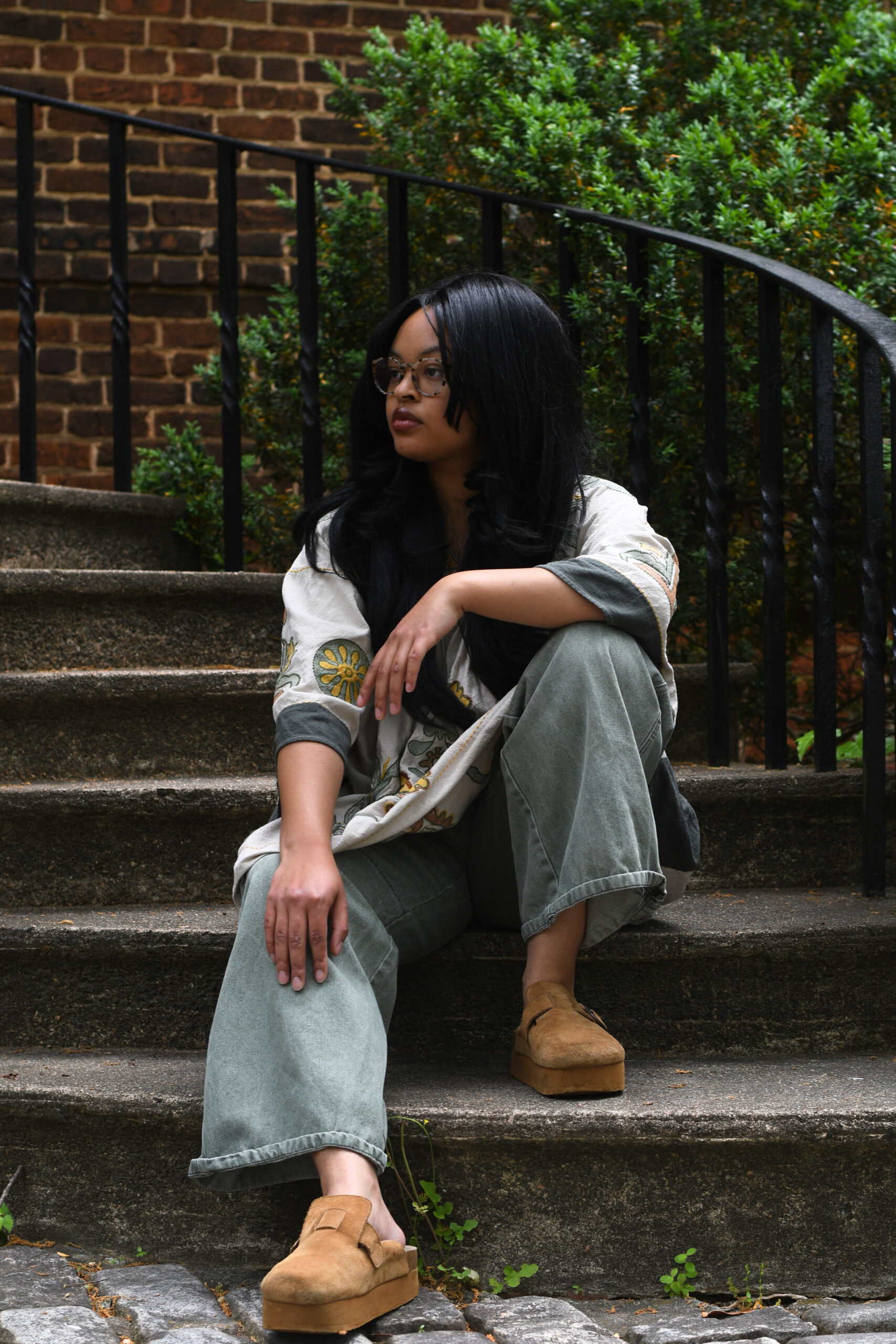
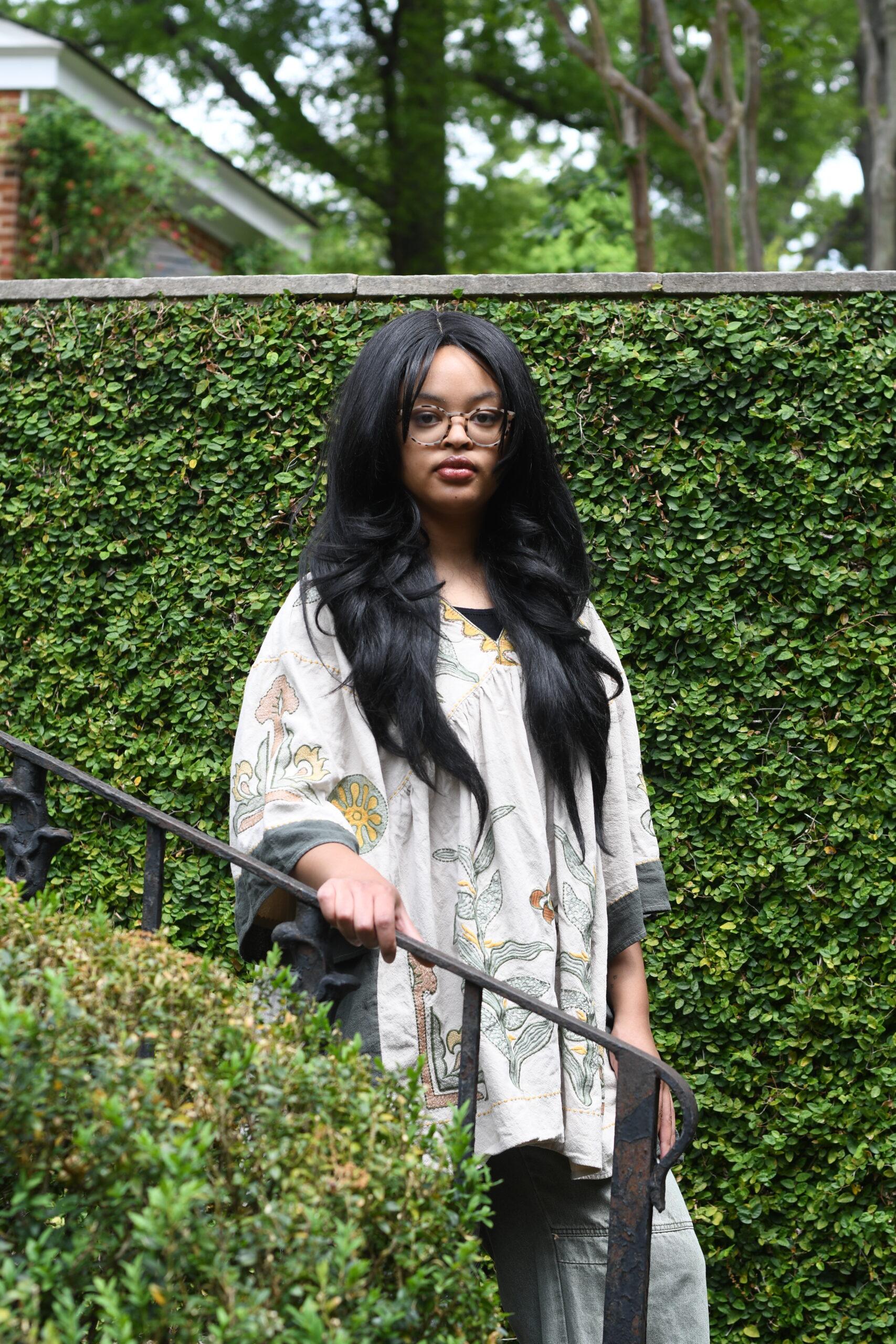
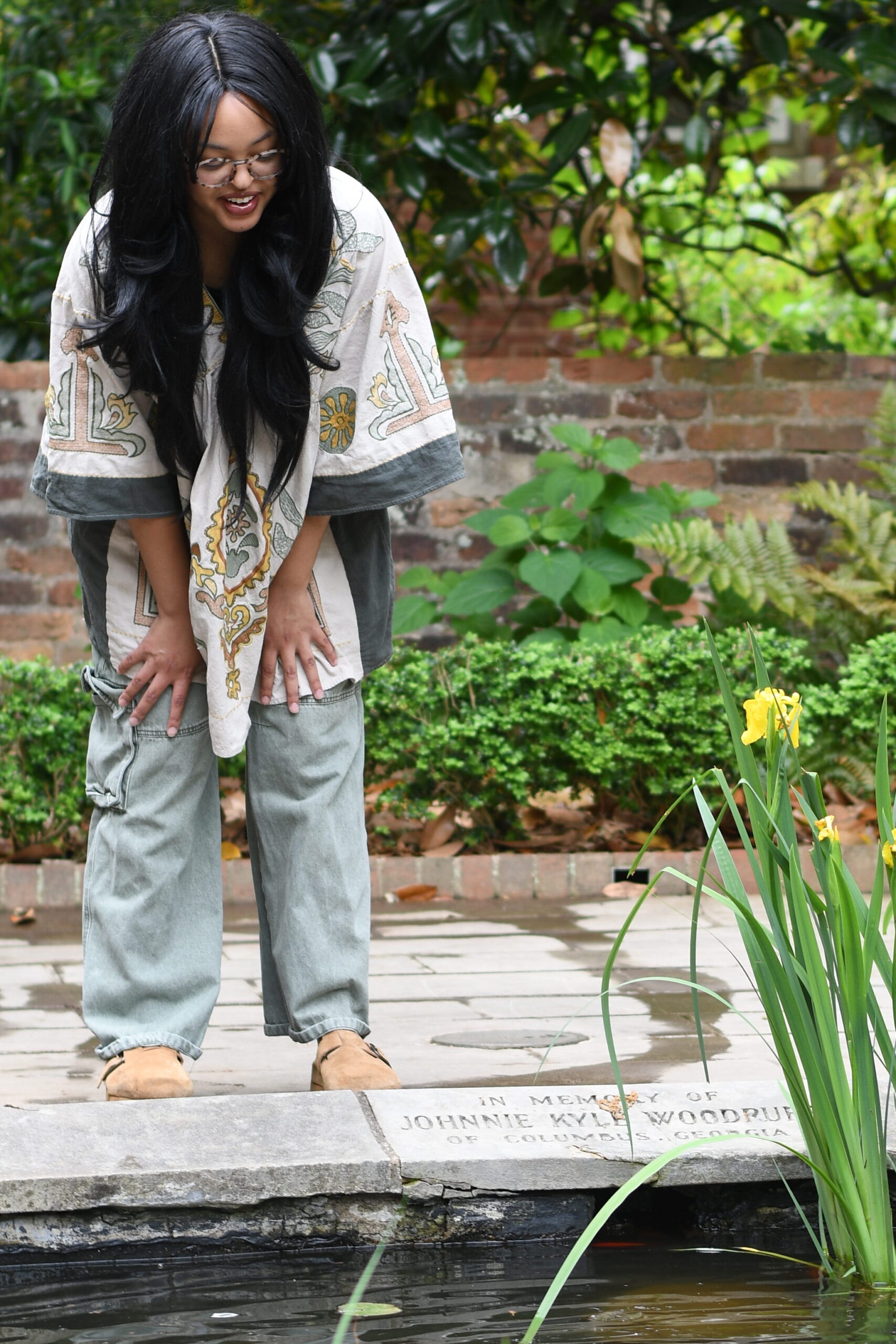
Having worked in elementary education at Joy Village and Whit Davis Elementary School, she also brings a focus to expanding the access to literary arts for youth.
In 2023, almost 50% of third graders in CCSD were reading below grade level. Poverty and lack of access to educational materials create disparities in children’s educational outcomes. For this reason, the work that Smith does as Poet Laureate isn’t limited to poetry.
“One of the most basic ways to get people to care about writing and reading is to address their basic needs. I hosted a book bag drive. It wasn’t technically a poetry event, but what better way to get people involved in what I do and what I want to share with the youth?” Smith said.
The spread of technology and generative AI are also contributing to an overall decline in the importance given to the literary arts.
“Reading is a vehicle for imagination, but unfortunately, I think in this day and age that room for imagination, and that love for imagination, has kind of dissipated,” Smith said. “With AI, social media and shorter form content, we’re teaching ourselves how to engage with things in a shorter time frame. These things are affecting people’s love and need for imagination because you don’t really need to imagine a lot when it’s all at your fingertips.”
Smith believes fostering love for imagination, creativity and literature is the most important way to combat this disinterest.
“I would love to see, in education, more room for imagination, more room for creativity,” Smith said. “Especially when it comes to reading, creation, storytelling and a greater focus on their stories.”
Most importantly, Smith wants to encourage young people to pursue their passions, even if they don’t bring instant gratification.
“I would tell young people to imagine and continue to create no matter what. I used to write stupid things all the time. I read some of it now and think ‘What was I even writing?’” Smith said. “But if I had told myself then that everything had to be perfect or if I had stopped writing because I didn’t have community, I wouldn’t be where I am. I think we get so caught up in wanting to be perfect when the first step is just creating.”
The events that Smith organizes as Poet Laureate are open for all ages for this reason, so anyone can create poetry, develop their writing and find a welcoming community no matter their skill level or experience. The wider accessibility to poetry that the Poet Laureate program creates has allowed the literary arts to take on a more central role in Athens’ public arts and community.
“It’s really been enriching for me to work with these poets and see their unique approach to their programming and how they want to reach the community. I’ve learned a lot from them as well. I personally truly see the value of this program,” Veneruso said.
With a year left of her term, Smith looks forward to what the future of the program holds. She hopes that the efforts of the two previous terms will continue to strengthen and expand.
“I hope the next Poet Laureate focuses on similar ideas, of being in the community, creating community events and opening the doors for other people,” Smith said. “Hopefully there will eventually be a Youth Poet Laureate, something I’m working on right now as well.”