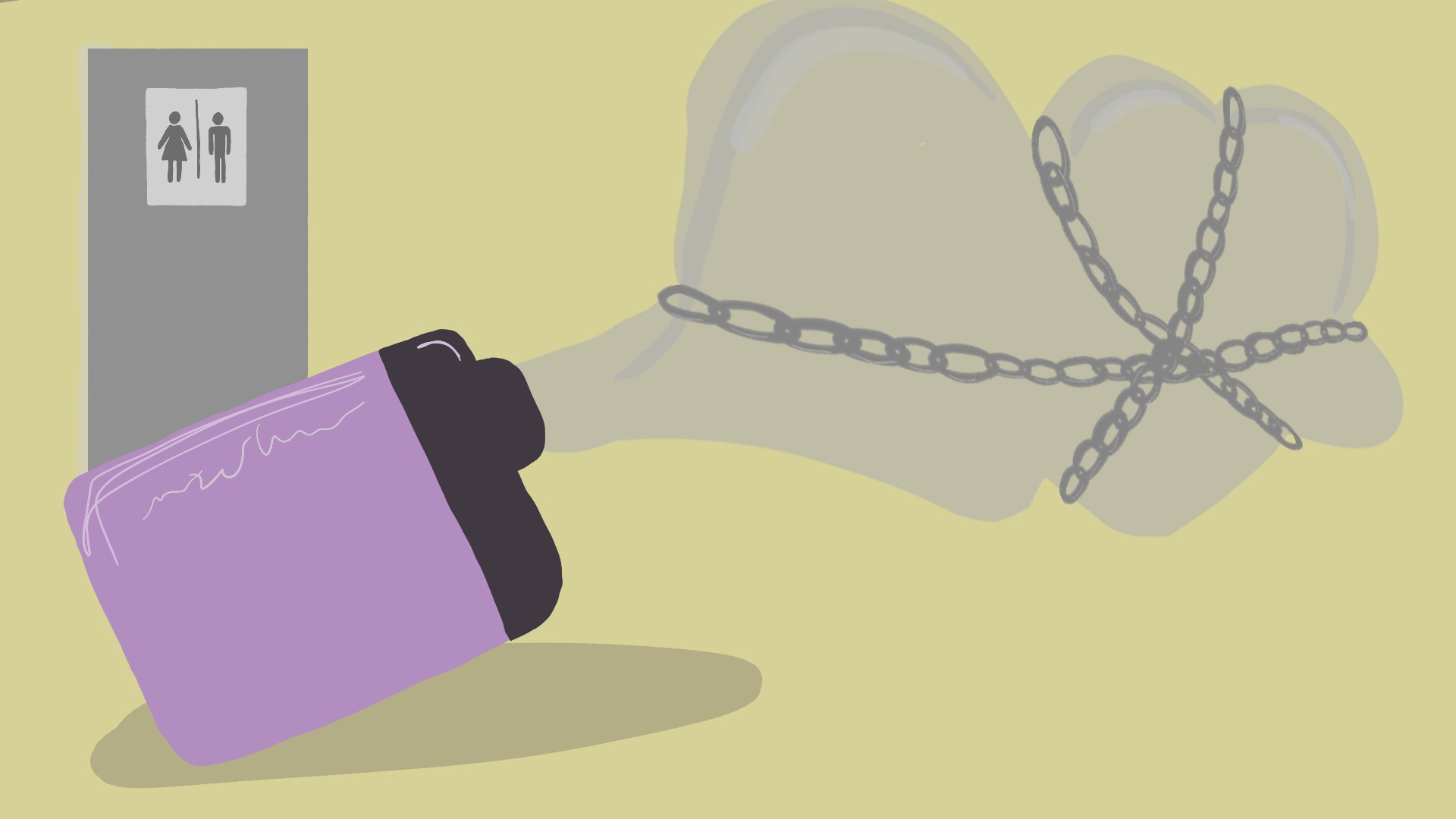
STAFF EDITORIAL: Clearing the Air
Last year alone, 1.21 million high school school students used vapes or vape pens according to the Centers for Disease Control and Prevention (CDC). The bigger problem is not people starting to vape more, it’s that people who are already addicted have increased their consumption. From 2020-24, daily use of vapes among students has nearly doubled (CDC). The rise in vaping is plain to see, but the reasons for it are more complicated.
Cedar has rules in place for vaping in the Clarke County School District code of conduct, where students can receive out-of-school suspension (OSS), in-school suspension (ISS), a phone call home, or Responsibility Awareness Program (RAP) classes. But when students are hiding their vapes in class by exhaling through their sleeves, the rules alone aren’t working.
Over time the Cedar Shoals administration has increasingly cracked down on policies regarding the vaping problem. In 2023-24, Cedar Shoals reported 40 vaping-related behavior incidents on the CCSD Data Analytics database/website. Last year, that number rose to 59. This rise is likely due to an increase in supervision and reporting of incidents.
In the newly renovated bathrooms, the sink area is visible from the hallway and each stall has an individual door to prevent groups of students from vaping. To help track who goes to the bathroom, Cedar uses a program called SmartPass which allows the administration to track students in the halls.
The school has also reintroduced RAP classes. These classes educate at-risk students about the dangers of vaping and other drug use as an alternative to ISS or other punishments.
While these changes may reduce the number of people vaping on school grounds they do not address the root issues behind the crisis. Many students may start vaping because of peer pressure, availability and even family influences. These are all things that school administrators cannot directly affect or influence.
The programs in place at Cedar now are not enough to stop the growing vape epidemic. For teenagers, vaping has become so normalized that students are no longer surprised when they see a cloud of smoke or get a whiff of ‘strawberry ice.’
This year, Cedar Shoals applied for and received a Student Vaping Mini-Grant from the state government. The grant provides funds for localized vaping interventions and will support a variety of services including educational programs, additional substance abuse counselors, mentorship initiatives and family activities.
It will also invest in extracurricular activities to deter students from vaping, create a de-escalation/stress reduction space for students within the school, supplies related to stress reduction for youth and training for staff on how to address youth vaping. One of the more helpful purchases would be vape detectors, which are similar to smoke detectors but have sensors to identify aerosols that come from vapes.
While the grant is large, Cedar will not receive the full amount. A maximum of $150,000 is available in total funding, but Cedar will get up to $10,000. The Student Vaping Mini-Grant and programs will start next semester, hopefully helping to reduce students vaping.
While these programs may not completely eliminate the problem, over time these small changes may compound to create lasting change at Cedar Shoals. They will hopefully help students who want to quit by offering greater support programs. Additionally it could reduce vaping on school grounds via vape detectors. This grant may not be the end solution, but it will create a strong baseline for positive impact.