
A closer look: A peek into the diverse cultures of Cedar Shoals
Worldwide, there are many events that celebrate diverse cultures. “The World Day for Cultural Diversity for Dialogue and Development” was created by the United Nations in December of 2002, and is held annually on May 21. The Universal Day of Culture is a similar event, celebrated annually on April 15.
The Student Government Association hosted a World Culture Day celebration in the Cedar Shoals library on April 3, an event where students shared their culture and experience with others. Nine students signed up to represent their unique countries and cultures including the Jewish, Sudanese, and Mexican cultures, among others. Dozens of students came to the event to experience the different music, tastes and histories of the unique identities.
The spread and education of the different cultures is important in the ever-changing global society. As division between individuals intensifies, recognizing and celebrating differences becomes more important.
THE SOUL OF SOULAAN: Bella Dawson and Ta’marah Turman explain their connection to music
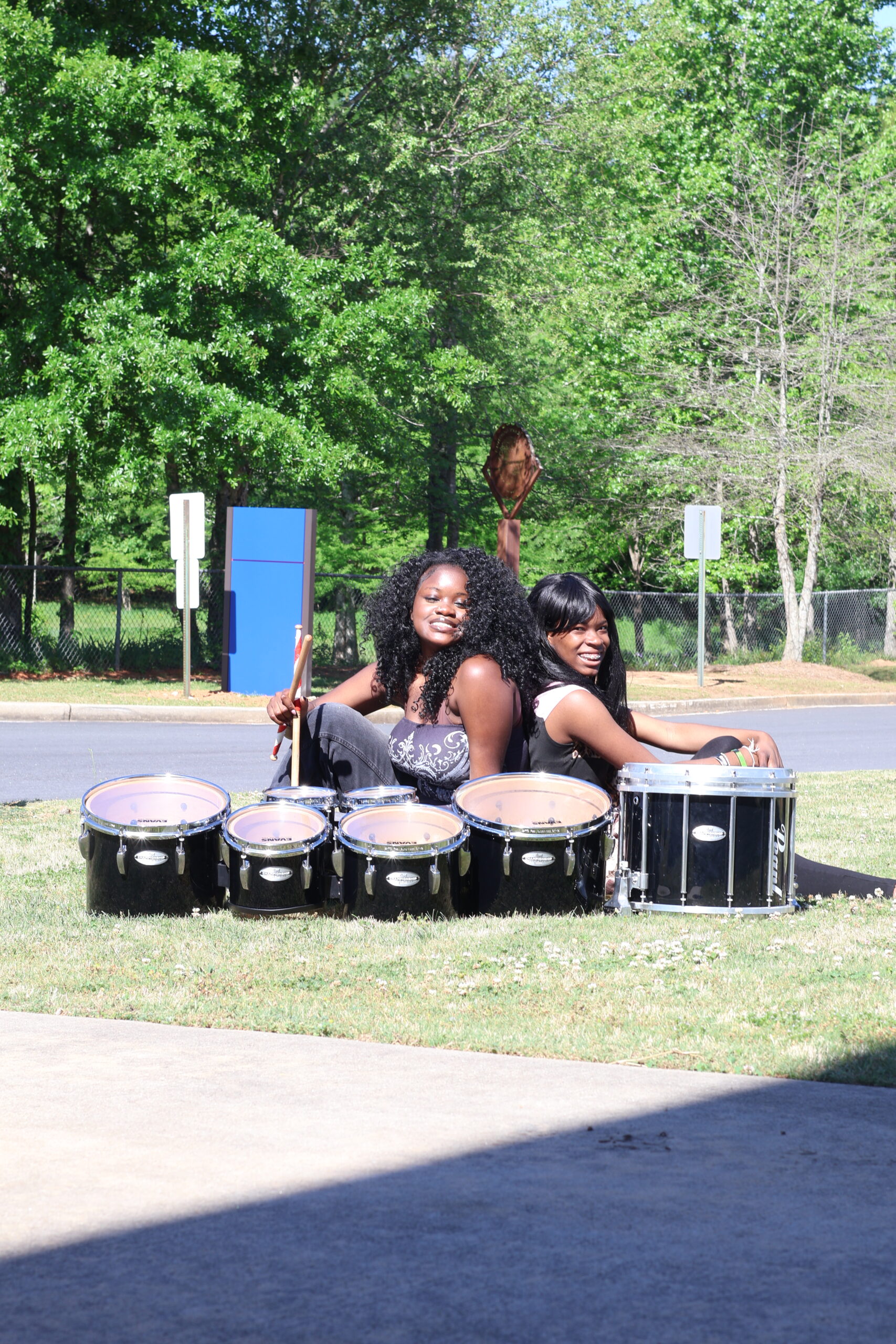
Ta’marah Turman and Bella Dawson, juniors, are both Soulaan, an ethnic designation within African American culture originating in North America based on the wider cultures developed by Black Americans and the histories around them. The distinction, though relatively new, has grown more popular and represents the contributions of African Americans to American cultural development. Turman says the Soulaan culture itself has a uniting power, bringing people from different walks of life together.
“Even though we have our differences, everybody has differences. It’s just life and everything, but having (music) be a part of our culture, it just brings us closer together. With music, that impacts me every day, because I plan to go further with music and it holds a special place in my heart,” Turman said.
Due to its deep historical connection with the culture itself, music is important to Dawson.
“Everything about our culture dates back to slavery. When (they) were escaping, (they) were playing the drums. It connects us to our homeland: Africa. Everything we do, it comes from Africa, and it really brings us all together. And it’s how we communicate with each other. We do it in church, houses, everywhere. It really connects us,” Dawson said.
Soulaan music features common instruments like saxophones, guitars and tambourines. Turman’s connection with music began when her teacher introduced her to different instruments, sparking her love for the medium.
“When I was younger, I didn’t talk as much, and my teacher, she represented me. She also looked like me. So that means a lot. My teacher noticed how I was quiet, and she introduced me to musical instruments. She taught us rhythms and everything. This is simple stuff, but I think about that moment a lot and how it actually helped me so much. If I did not have that teacher that noticed another person like her in the room, then I don’t know where I would be right now,” Turman said.
To Dawson, the music also connects to her religious beliefs, noting its unique use in many southern churches.
“They did allow the slaves to have their own church and to be separated for a little bit. The songs that you hear, the hymns that you hear in the church house, we still have those in the deep southern churches. We still sing,” Dawson said.
Music has also helped create connections between many different people within the culture. Most impactfully for them, Turman and Dawson became friends through music.
“When I was in seventh grade, I noticed that we got a new student. Bella came from Coile (middle school), and I was expecting her to not be a part of the same music family as me. I didn’t see how she was a part of the same music family. And we’ve grown together since seventh grade all the way to now into better musicians. In the future, we both want to major in music. We’ve learned so much together,” Turman said.
For Dawson, she hopes that the Soulaan culture, and others around the world, will be understood by people and not misinterpreted.
“I hope that in the future years, our culture is not misinterpreted anymore. I want everyone to deeply understand it, and for all cultures, I just want everyone to have a good understanding,” Dawson said.
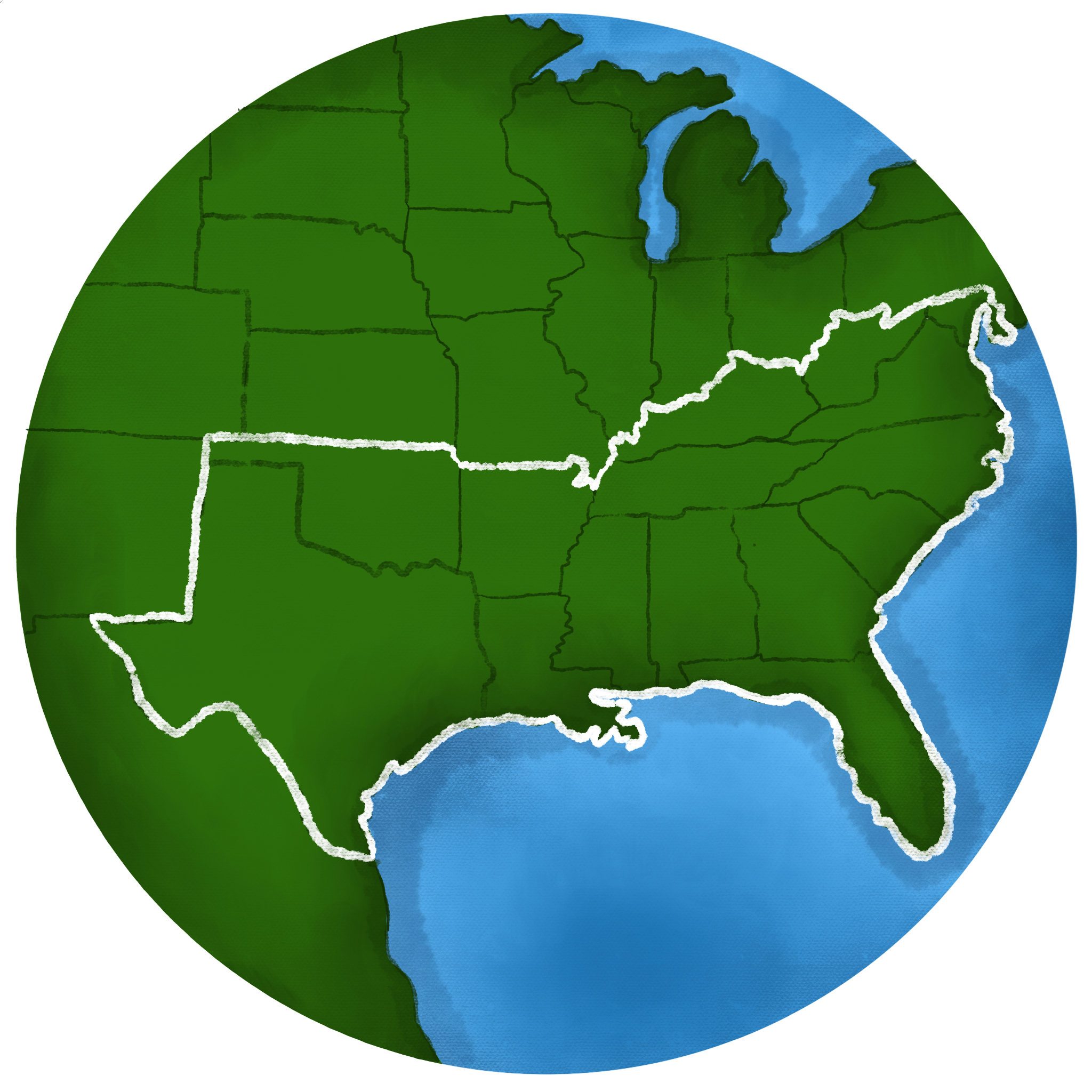
FAMILY AND FILIPINO FOOD: Selynne Pez discusses food and its
connection to culture
For Junior Selynne Pez, Filipino food traditions are an important part of her family. Pez understands how different Filipino foods help create close connections between people and families.
“It definitely brings people together. Sometimes families have large gatherings and they’ll all have the same set of dishes. I see it all the time. Everybody makes it, gets together and eats,” Pez said. “It’s like everybody knows each other. People refer to others as family, even though they’re not related or they barely know them. My dad will call other Filipino people ‘kuya’ which means older brother. Since we were young, we would call friends of my parents ‘tita’ or ‘tito,’ which means auntie or uncle, even though we’re not related to them at all,” Pez said.
With many unique flavors, the average Filipino meal features many different foods that are served, from white rice to curries and soups.
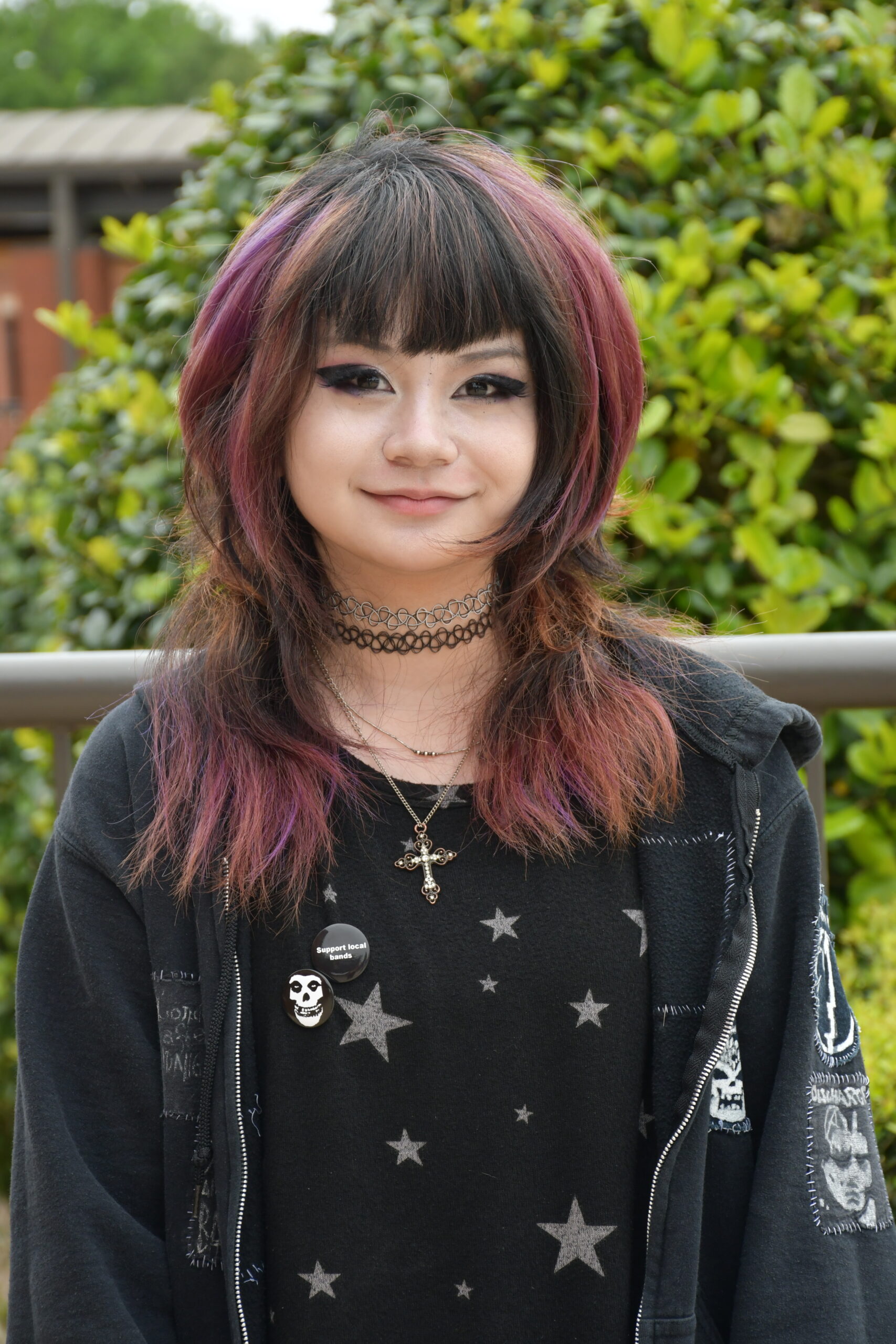
“There’s one called sinigang (a type of soup). It’s a typical dinner dish. I’d describe it as kind of sour, and there’s usually chicken in it with vegetables. There’s another one that’s kind of similar called tinola. It’s similar to sinigang, but it doesn’t have that sour taste,” Pez said.
Pez also enjoys food preparation for special occasions. One of these is lechon, a specially prepared type of pork using a whole pig.
“You get the entire pig, and it’s roasted over a fire for a really long time, 12 hours or more, just slowly turning it until the skin gets all crispy but the insides are still kind of soft. It’s usually eaten with this sauce called mang tomas (a popular, sweet sauce),” Pez said.
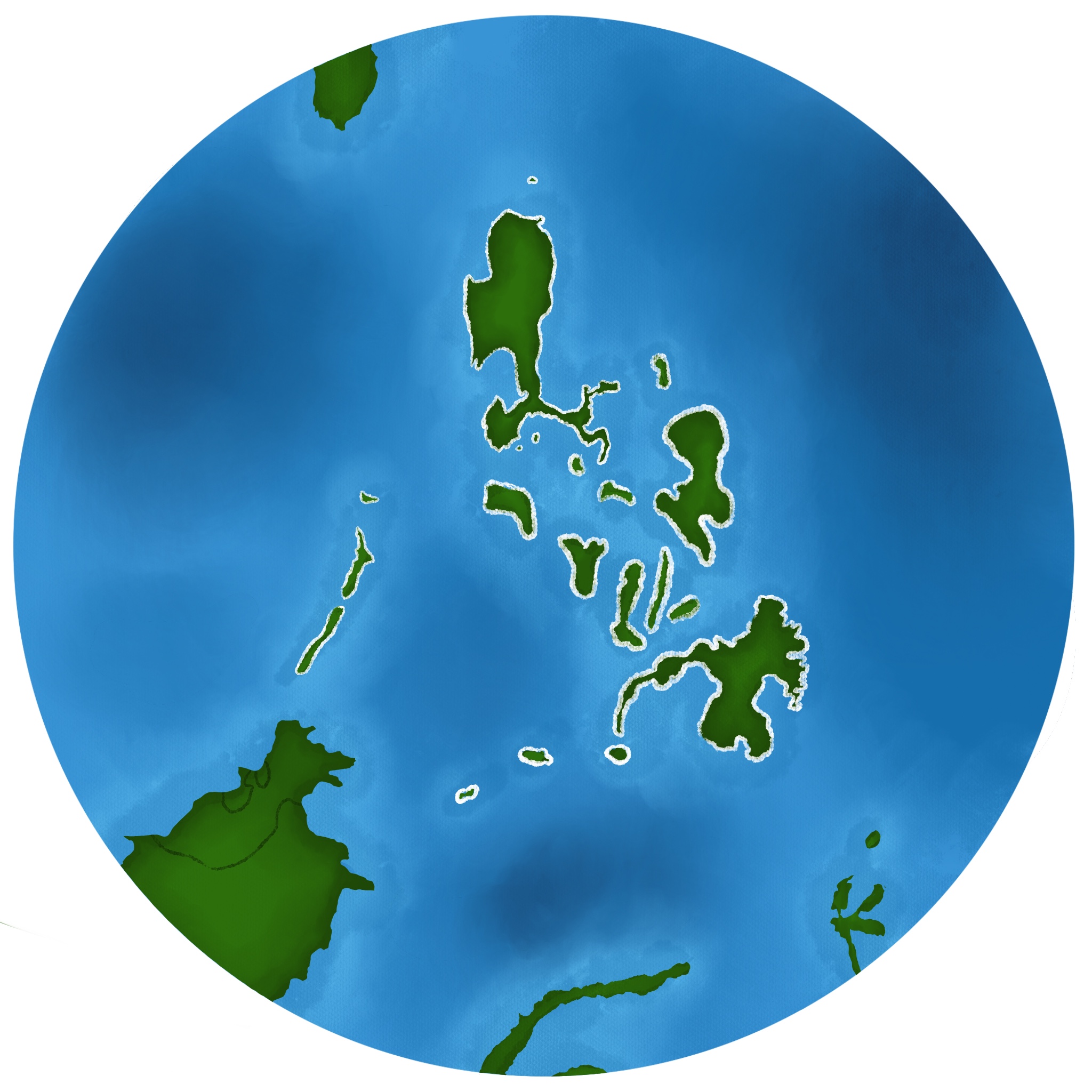
“Between all families, we have these specific dishes, but they all make them in their own certain way. When I see how my mom makes lumpia, it’s different from how this other family makes lumpia. Or how my mom uses this specific kind of noodles and they’re thin, compared to how my aunt makes it (with) thicker noodles.”
Two years ago, Pez’s family opened Chibugan Cafe, a restaurant in Winerville. They serve a wide variety of Filipino food and have become a popular spot in Athens. She feels that with the restaurant, she can connect more with the local Filipino culture.
“Now that my parents have (the restaurant) I feel a little bit more connected, because it’s kind of easier to meet other Filipino people. And I think it’s really great to see because Filipinos just talk to whoever else is also Filipino. It just creates a wider sense of community,” Pez said.
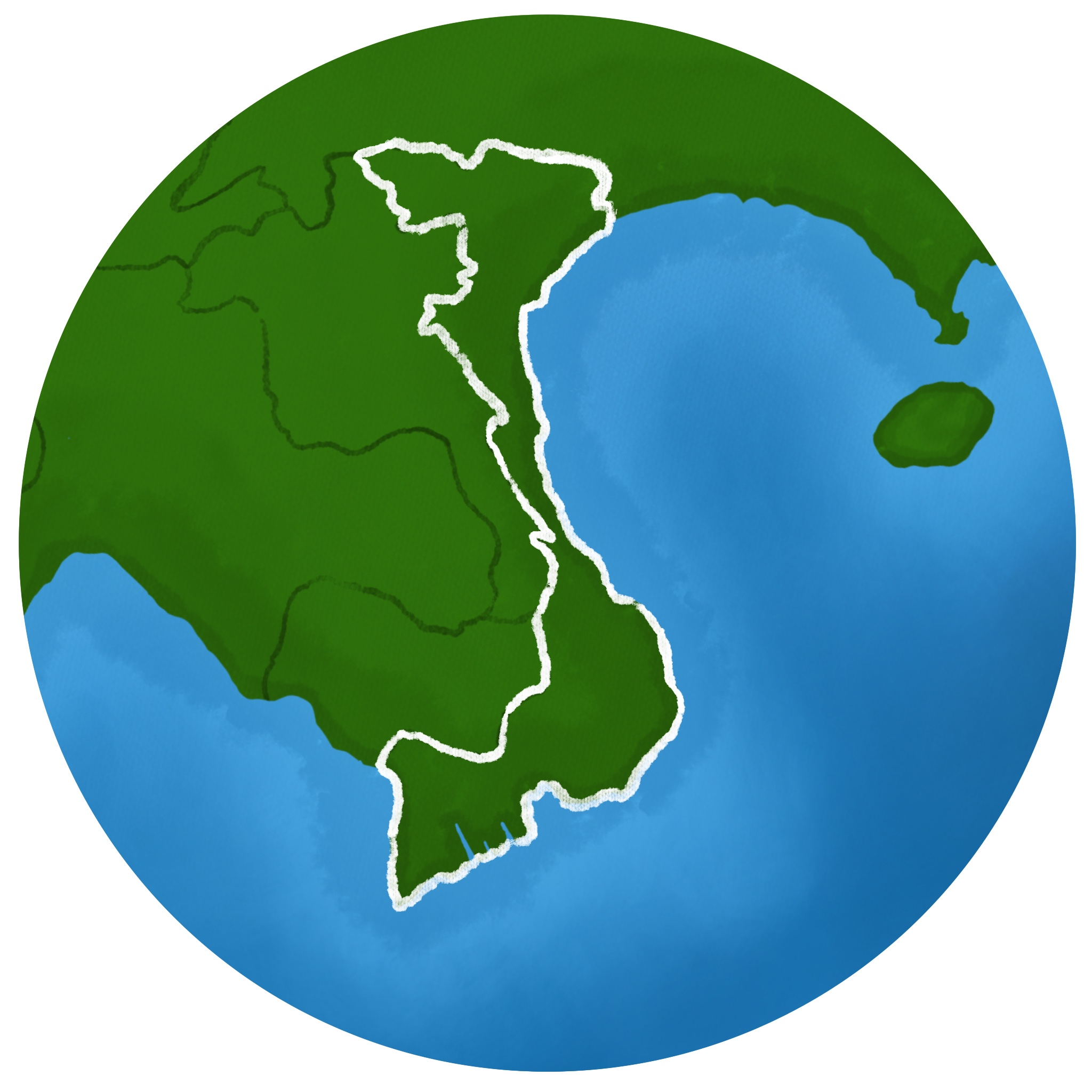
VENTURING FROM VIETNAM: Linh Dao describes her appreciation of
traditional clothing
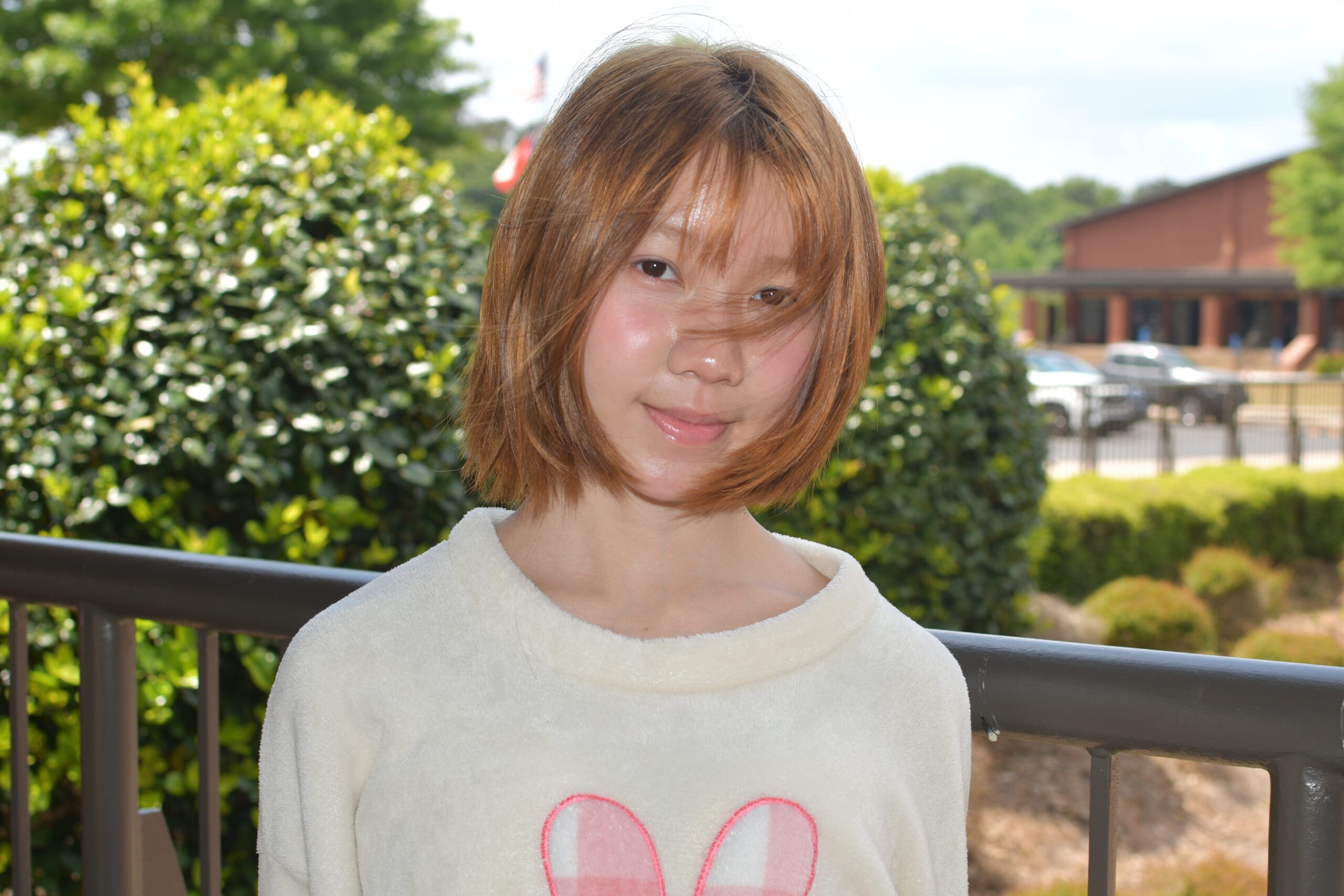
When Linh Dao, junior, came to the United States from Vietnam in 2023, she was surprised at the cultural differences between the U.S. and Vietnam, especially with the handling of school.
“When I was in Vietnam, we studied really hard. You studied seven to eight periods a day, and you have to spend your whole day at school and do nothing else after that. But here, you have more time to work on other things, like sports or hobbies, and the people are really friendly. You just go past each other and say hi, even if you don’t know each other,” Dao said.
Dao still holds a deep appreciation for the culture of Vietnam. Specifically, she still enjoys the unique clothing.
“I really love the traditional clothes of my country, because it makes the woman look really nice and gentle when you have it on,” Dao said.
One of these traditional clothes is the Ao Dai, a type of silk dress typically worn during special events that is considered an important part of Vietnamese culture. It is usually worn by both men and women, with some minor tailoring differences between them.
“It’s just like a dress, but it’s divided into two parts, the front and the back, and you’re gonna wear the pants. The color is white for the original ones, but nowadays people costume it, and they make it look more beautiful. Or if you like some cool stuff, they’re gonna make it black or something cool or tough. You can also wear it with baggy jeans,” Dao said.
The Ao Dai is also sometimes worn for school events, such as a weekly flag raising in schools across Vietnam.
“In high school, they have the girls wear it every Monday or Friday, depending on what they do. Every Monday, they have everybody from every grade in the lobby, or the yard of the school, talk about school stuff and sing the national (anthem),” Dao said.
There are some regional differences between clothes from different regions of the country. Dao highlights the unique differences with the northern regions of Vietnam and their clothes.
“Most of the clothes (are) black, but they have color to highlight it. And they usually have a big hat that’s white,” Dao said.
Besides the cultural aspects of the country, Dao also feels like Vietnam has many qualities that make it a great place to live in and visit, due to its connectivity.
“If you’re in Vietnam, there’s a lot of things for you to do. You can go hang out with your friends, and the buildings are close together, so you can just drive a short distance to (visit a) restaurant or place to play with your friend,” Dao said.
***Website design by Sophie Meile